
|
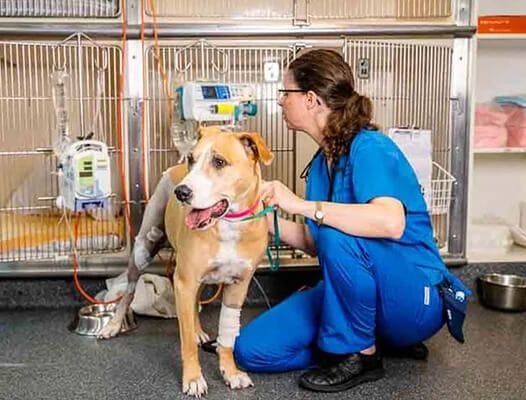
WHAT IS ANIMAL PHYSIOTHERAPY?Physiotherapy is widely recognised as being effective in the treatment and rehabilitation of soft tissue injuries, arthritis, neck and back pain and following fractures or surgery. Animal Physiotherapists are qualified and registered human physiotherapists who have a special interest in treating similar conditions in animals. The aim of physiotherapy is to aid the animals healing capacity by reducing pain and inflammation, improving joint range of motion and muscle strength thereby restoring movement, function and quality of life.
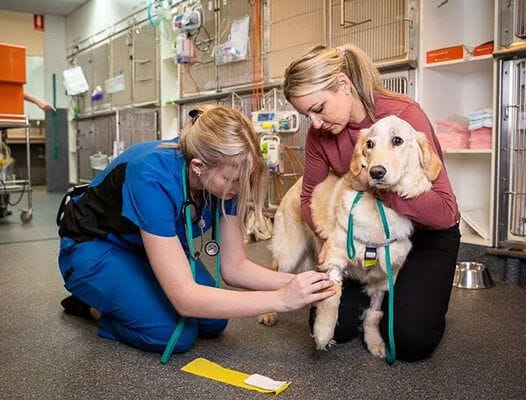
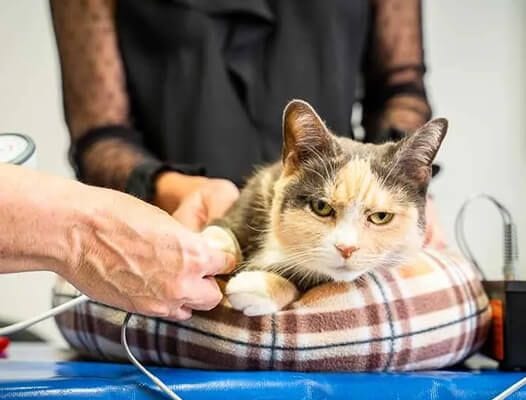
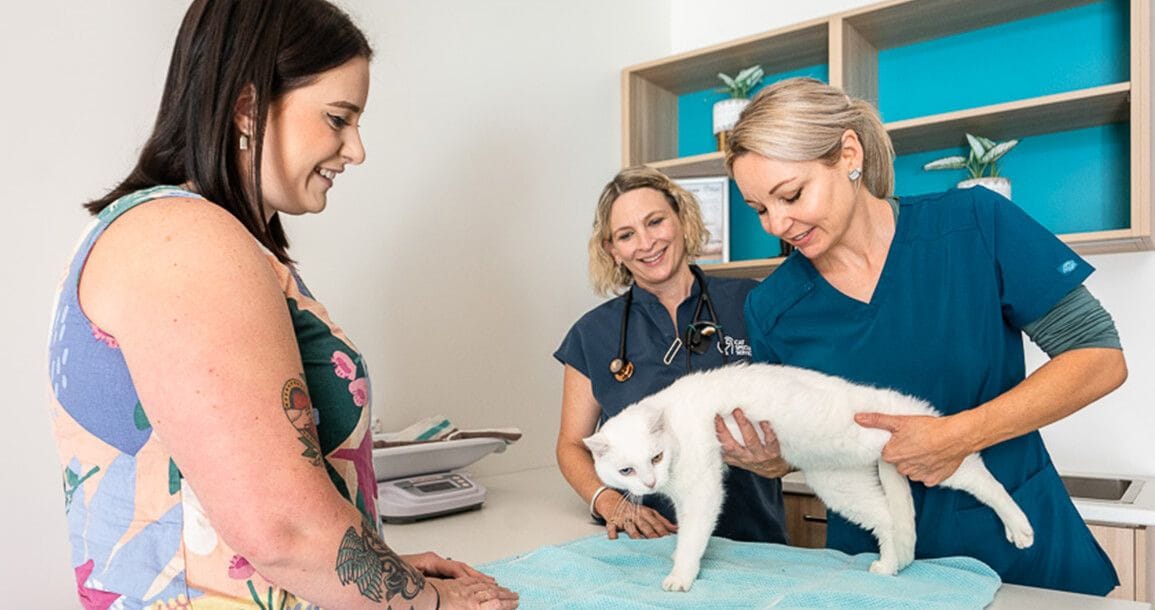
PHYSIOTHERAPY CONSULTATION An initial physiotherapy consultation includes a thorough assessment of your pets condition. This enables the physiotherapist to formulate an individually designed treatment program, including "hands on" treatment techniques as well as a home exercise program allowing the owner to have an active role in their pets rehabilitation. Physiotherapists have an extensive knowledge of many different treatment techniques, and are skilled at evaluating movement patterns both on dry land and in the water. Treatments may consist of: - Soft tissue techniques - Joint mobilisations - Stretching / strengthening exercises - Movement re-education - Balance and proprioception exercise - Electrotherapy - Fitness training - Hydrotherapy
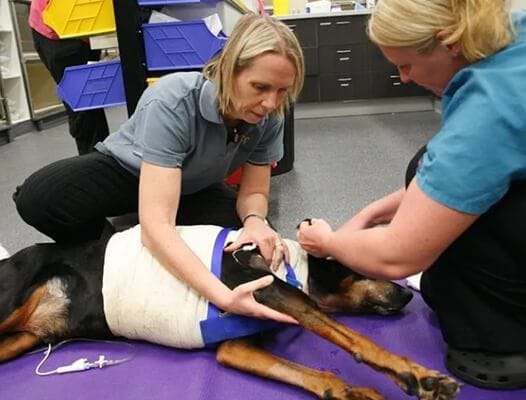
CONDITIONS TREATED Physiotherapy is beneficial in the treatment of many orthopaedic and neuromuscular disorders eg: - Cruciate Ligament injuries / Tibial Plateau Leveling Osteotomies (TPLO) / Tibial Tuberosity Advancement (TTA) surgeries - Following patella luxation surgery - Femoral head excision arthroplasty - Hip dysplasia (conservative and surgical management) - Elbow dysplasia (conservative and surgical management) - Spinal disorders - Peripheral nerve injuries - Neck and back pain - Arthritis - Muscle, ligament and tendon injuries - Movement disorders / gait re-education - Strengthening following medical conditions and cancer treatment
UNDERWATER TREADMILL Hydrotherapy can be used as an effective part of your pets rehabilitation. It increases muscle strength, cardiovascular fitness and joint range of motion without placing undue stress on painful joints or surgical repairs. Although swimming can be beneficial the advantage of using an underwater treadmill is that it enables the physiotherapist to facilitate the animals normal walking patterns and encourage the use of all affected limbs. Assistance is provided by varying the depth of the water and the speed of the treadmill. To increase muscle strength and fitness the resistance can be increased by introducing water jets. The Ozone sanitised water in the treadmill is heated to approximately 30oC to promote muscle relaxation and comfort.
CONDITIONS TREATED: PRE/POST SURGICAL CONDITIONS
|
|||||||