&geometry(278x56) "Veterinary Specialist Services Pty Ltd.")
Blood Testing for Cancer in Pets
 "Blood Testing for Cancer in Pets")
Can a blood test tell us if a pet has cancer?
It is a question we are often asked, and in most cases, the answer is “no”.
For the majority of cancers in dogs and cats, routine blood tests cannot tell us whether cancer is present. A dog with a large tumour or even advanced cancer can have completely normal blood results. Conversely, abnormalities on a blood test can occur for many reasons that have nothing to do with cancer.
So why do we perform blood tests so often in veterinary oncology?
Blood tests give us important information about a patient's overall health. They allow us to assess organ function (such as the liver and kidneys), look for anaemia or other changes that may be associated with illness and help us determine whether a patient is well enough to undergo further diagnostic investigations or treatment.
They are also an important part of the monitoring of patients receiving chemotherapy. Some chemotherapy drugs can temporarily suppress the bone marrow, reducing the production of white blood cells - and even red blood cells and platelets. Neutrophils play an important role in protecting the body against infection, so monitoring for neutropenia (low neutrophil count) is one of the reasons we regularly check blood counts during chemotherapy.
Occasionally, however, cancer can be identified through abnormalities in the blood itself.
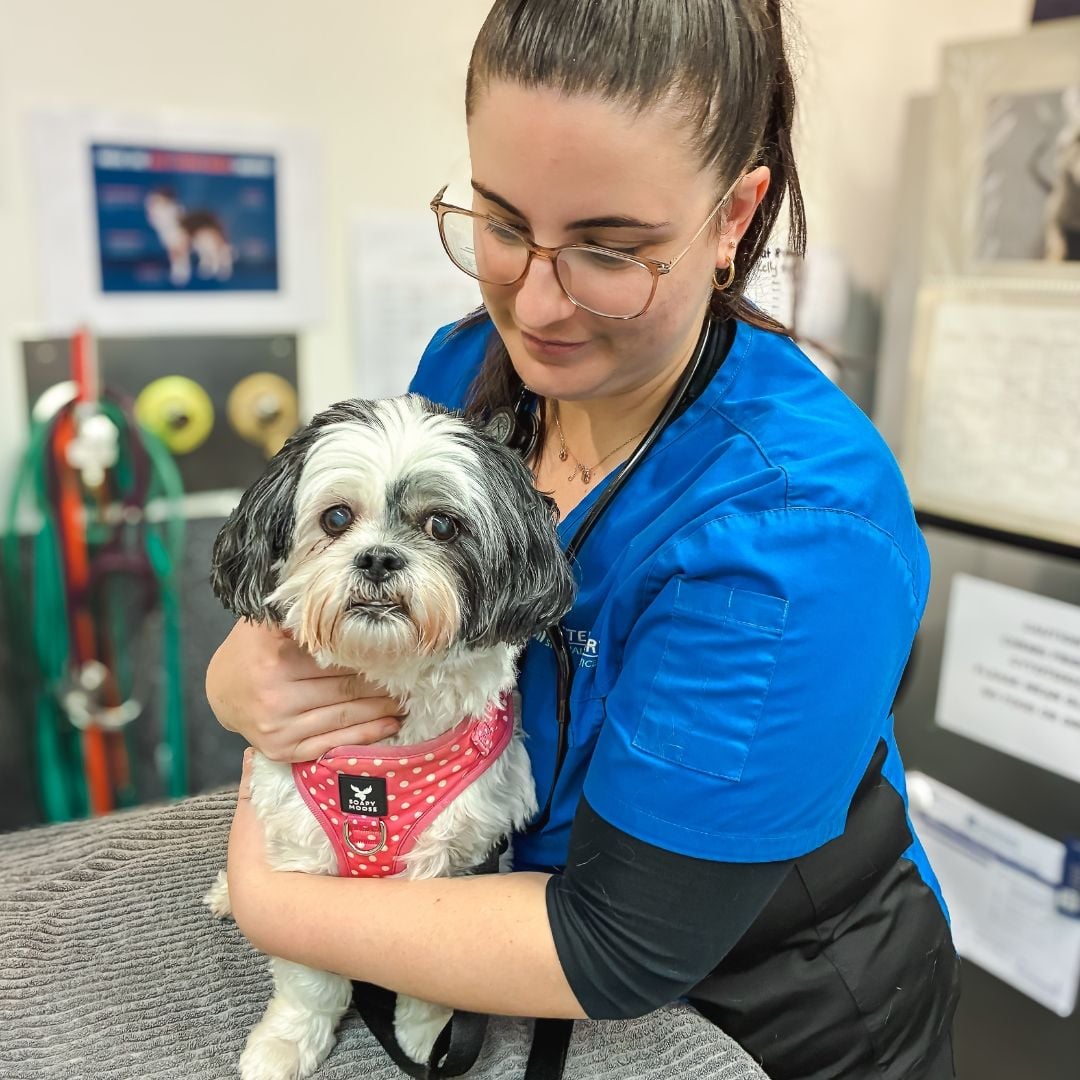
This was the case for one of our recent patients, the cute-as-pie Misty, who was diagnosed with chronic lymphocytic leukaemia (CLL). CLL is a cancer involving a type of white blood cell called a lymphocyte. In affected patients, increased numbers of these abnormal cells can circulate in the bloodstream, meaning that the first clue to the diagnosis may be found on a routine blood test.
CLL often behaves quite differently from many of the cancers we treat. Some patients remain completely well for a considerable period of time and do not require treatment immediately. Instead, we may recommend regular monitoring, with treatment introduced if the disease begins to cause clinical problems or significant changes in the blood.
For our newest CLL patient, that is exactly what we are planning: keeping a close eye on things, while allowing Misty to continue enjoying life without treatment for as long as it is not needed.
In Summary
Blood tests are an incredibly valuable tool in veterinary oncology, but there is no single routine blood test that can reliably screen a pet for all cancers. Their role depends on the individual patient, the type of cancer we are investigating and where we are in the patient’s treatment journey.
Sometimes, blood tests help us understand the bigger picture.
Sometimes, they help us make treatment safer.
Occasionally, as with CLL, the answer really can be in the blood.
| Tags:Diagnostic TestingHaematologyInternal MedicineMost PopularNewsOncologyPathologyPatient Care |