&geometry(278x56) "Veterinary Specialist Services Pty Ltd.")
Chemotherapy in Pets
 "Chemotherapy in Pets")
Chemotherapy in Pets: What Owners Fear and What Actually Happens
"I don't want to put them through chemotherapy."
This is one of the most common statements we hear from families when their pet is diagnosed with cancer. It is an understandable first reaction, and almost always it is based on what chemotherapy looks like in people: hair loss, severe nausea, weight loss and long periods of feeling unwell. For some families, the fear runs deeper: that treatment will only buy a little time, or that pursuing it is more for their own sake than their pet's wellbeing.
Veterinary chemotherapy is different, because the goals are different.
In human medicine, treatment is often aimed at cure, and patients may accept significant short-term side effects to achieve that outcome. In veterinary medicine, our priority is different. We aim to maintain a good quality of life throughout treatment, so chemotherapy protocols and doses are chosen - and readily adjusted - to keep patients feeling well, rather than pushing them through more than they can comfortably tolerate. That difference in intent changes almost everything about how chemotherapy is experienced.
It also changes what treatment looks like day to day. A chemotherapy visit is usually a relatively short appointment, rather than the long, draining hospital experience many people imagine. Most patients go home to their families the same day and are soon back to themselves at home.
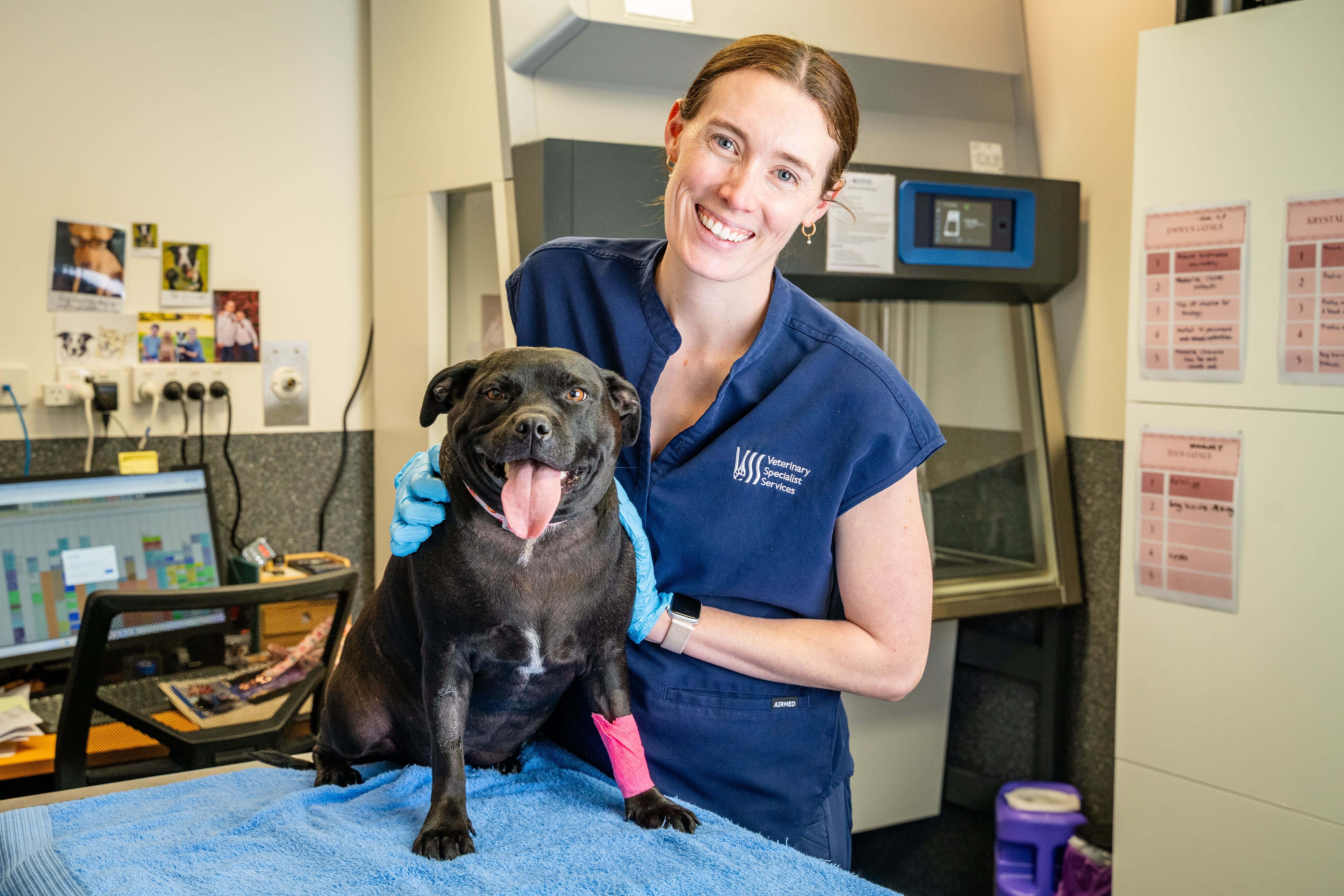
Most dogs and cats tolerate chemotherapy well and continue to enjoy their normal routines between treatments. They still go for walks, play with their families and eat their favourite treats. In fact, around two-thirds to three-quarters of patients experience no significant side effects at all.
When side effects do occur, they are usually mild, temporary and manageable. They most commonly involve the gastrointestinal tract or the bone marrow, and may include a short period of reduced appetite, nausea, vomiting, diarrhoea or tiredness. These effects often resolve on their own or respond readily to supportive medications. More serious complications requiring hospitalisation are uncommon - occurring in only a small proportion of patients - and treatment plans can be adjusted if an individual animal proves more sensitive than expected.
Another common misconception is that all pets lose their hair during chemotherapy. Unlike people, most dogs and cats do not experience significant hair loss. Some breeds with continuously growing coats, such as Poodles and Old English Sheepdogs, may develop coat thinning or slower hair regrowth, but complete hair loss is uncommon.
We are also often asked whether it is safe to have a pet at home during treatment, particularly around children or other animals. For the great majority of families, the answer is yes. Small amounts of the drugs can be present in a pet's urine, faeces and other waste for a short period after each treatment, so we provide simple, practical advice on handling waste and basic hygiene during that window. These are sensible precautions rather than a cause for alarm, and they do not mean keeping your pet at a distance when the time you have together matters most.
It is worth knowing, too, that starting chemotherapy does not commit you to a fixed course. Treatment is reviewed at every visit, and a plan can be adjusted, paused or stopped at any point, if it is not serving your pet well. The decision to begin is not a decision you are locked into.
Throughout treatment, quality of life remains the most important measure of success. If a pet is not enjoying a good quality of life, then the plan needs to change. That principle guides every recommendation we make and underpins every treatment decision.
None of this means chemotherapy is the right choice for every animal, or every family. It is a considered decision that depends on the type of cancer, the individual patient, the expected benefits, the risks of treatment and your goals for your pet's care. For some cancers, chemotherapy can provide not only more time, but more quality time spent at home, enjoying normal activities and the company of family. In some diseases, the additional time gained may be measured in months; for others, in years. For others still, a focus on comfort and palliative care is the better path.
Our role is not to persuade families toward any particular decision. Rather, it is to help you understand the realistic options available, what treatment would actually involve and what outcomes might reasonably be expected. We want decisions to be based on information and understanding - not on fear of the unknown.
If your pet has been diagnosed with cancer and you are weighing up what to do next, speak with your family veterinarian about a referral, or contact the VSS Oncology Service. You are welcome to come and discuss the options before committing to any particular course of treatment. Sometimes the most valuable part of an oncology consultation is simply replacing uncertainty with clarity.
| Tags:ImmunologyInternal MedicineMedicationMost PopularNewsOncologyPatient Care |