Snake Bites in Cats and Dogs

Snake Bites Are On The Rise - Keep Your Pets Safe
Over the past two weeks, we’ve seen a concerning increase in snake bites in pets presenting for emergency veterinary care. We’re also seeing snakes entering residential yards, meaning our pets don’t necessarily need to venture far from home to have an encounter. With warmer weather and increased snake activity, it’s important to be proactive and know how to reduce the risk to your pets - and what to do if you suspect a snake bite.
Prevention is Key
While it’s impossible to completely eliminate the risk of a snake bite to your pet, there are some simple steps you can take to minimise the risk:
Keep grass short and remove piles of leaves, debris and other areas where snakes may shelter.
Keep your yard tidy - particularly around sheds, wood piles and garden beds.
Reduce rodent activity around your property - rodents can attract snakes.
Supervise pets outdoors - particularly around dawn and dusk and in areas with long grass or dense vegetation.
Know your pet. If they are a known snake hunter - or you have been seeing multiple snakes around your property - consider keeping them indoors during periods of peak snake activity and only allowing supervised outdoor access.
Don't assume your yard is snake-free. We have recently seen cases where snakes have entered residential yards, putting pets at risk, even when they are close to home.
Know the signs
Snake envenomation can be difficult to recognise and a bite may not always be witnessed.
Signs of a snake bite can vary in cats and dogs and may include:
Sudden weakness or collapse
Vomiting or drooling
Tremors or twitching
Dilated pupils
Difficulty walking or wobbliness
Rapid or laboured breathing
Bleeding or unusual bruising
Loss of bladder or bowel control
Progressive weakness or paralysis.
Don't Wait for Symptoms
If you think your pet may have been bitten or you have reason to believe they have had an encounter with a snake, contact your family veterinarian or nearest emergency veterinary hospital immediately.
All VSS vet hospitals are equipped to handle any emergency situation. Whether it's a minor worry or a critical emergency - come straight in, no appointment is required. If possible, please call ahead if you can so we can prepare for your arrival.
If your pet has been exposed to a snake, your vet may recommend a clotting test to help assess whether envenomation has occurred. This can be particularly important when a bite has not been witnessed and your pet is not yet showing obvious clinical signs.
If you have seen a snake in your yard and your pet has had access to the area, or you discover a deceased snake in the yard and are concerned your pet may have encountered it, please contact your family veterinarian for advice about whether your pet should be assessed and tested.
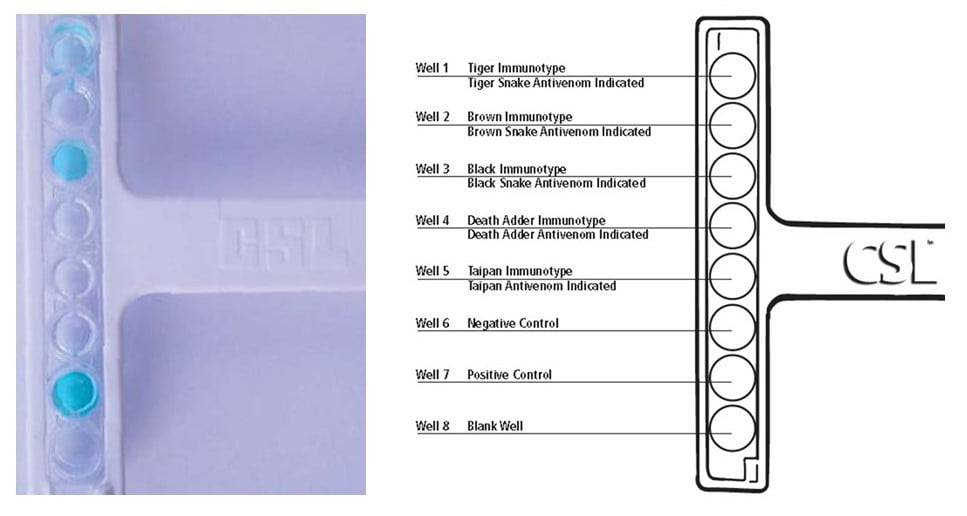
Suspect a Snake Bite?
If you see the snake, take a photo - but only from a safe distance. A clear photograph can help your veterinary team with rapid identification and appropriate management.
Never attempt to catch, handle or kill a snake. Your safety comes first.
If you suspect a bite, keep your pet calm and as still as possible. Carry them, rather than allowing them to walk.
Do not wait for symptoms to develop. Early veterinary assessment, monitoring and treatment can be critical in cases of snake envenomation.
With the number of snakes we're currently seeing around homes, being proactive could make all the difference. Stay alert. Be proactive. Keep those tails safe.
#SnakeBite #SnakeSeason #PetSafety #VetEmergency #PetFirstAid #VeterinaryCare #Dogs #Cats #PetHealth #SnakeAwareness
| Tags:Diagnostic TestingEmergency/Critical CareInternal MedicineMedicationMost PopularNewsNursingPatient Care |