&geometry(278x56) "Veterinary Specialist Services Pty Ltd.")
Tick Awareness
 "Tick Awareness")
WARMER WEATHER = TICK AWARENESS
As the weather warms up, we’re seeing an increase in ticks throughout southeast Queensland and Northern New South Wales, and an uptick in paralysis tick cases at Veterinary Specialist Services. This is an important reminder for pet owners to stay vigilant and take steps to protect their pets.
Tick Prevention: Know What You’re Using
Tick prevention is an essential part of protecting your pet - but not all tick prevention products are the same.
Speak with your veterinarian about the most appropriate, vet-recommended tick prevention for your pet, which may include a spot-on, chewable, spray or tick collar treatment.
It’s important to know your product:
- Some products may not provide protection against all species of ticks.
- Some products provide paralysis tick protection for a shorter period than their general flea/tick coverage.
- Make sure you understand how often the product needs to be administered and follow the recommended schedule.
No tick prevention is a substitute for checking your pet regularly.
Environmental Management
Reducing tick-friendly environments around your home can also help.
Be sure to:
- Keep grass and vegetation short and maintained.
- Remove leaf litter, debris and dense vegetation where possible.
- Be particularly vigilant around areas where your pets spend time.
Perform Daily Tick Checks
Make tick checks part of your pet’s daily routine, particularly after spending time outdoors.
Pay particular attention to areas such as:
- Around the head, neck and ears
- Between the toes
- Under the collar
- Around the lips and gums
- Armpits and groin
- Between the shoulder blades
- Any other areas where ticks may be difficult to see.
Know the Signs of Tick Paralysis
Signs can initially be subtle and may develop after a tick attaches.
Watch for:
- Weakness: A wobble or weakness in the back legs that can progress towards full-body paralysis.
- Voice changes: A hoarse or harsh bark in dogs, or a changed meow in cats.
- Digestive issues: Vomiting, regurgitation, gagging or excessive drooling due to throat weakness.
- Breathing trouble: Laboured or rapid breathing, or excessive panting.
- Other signs: Dilated pupils, lethargy and loss of appetite.
Found a Tick?
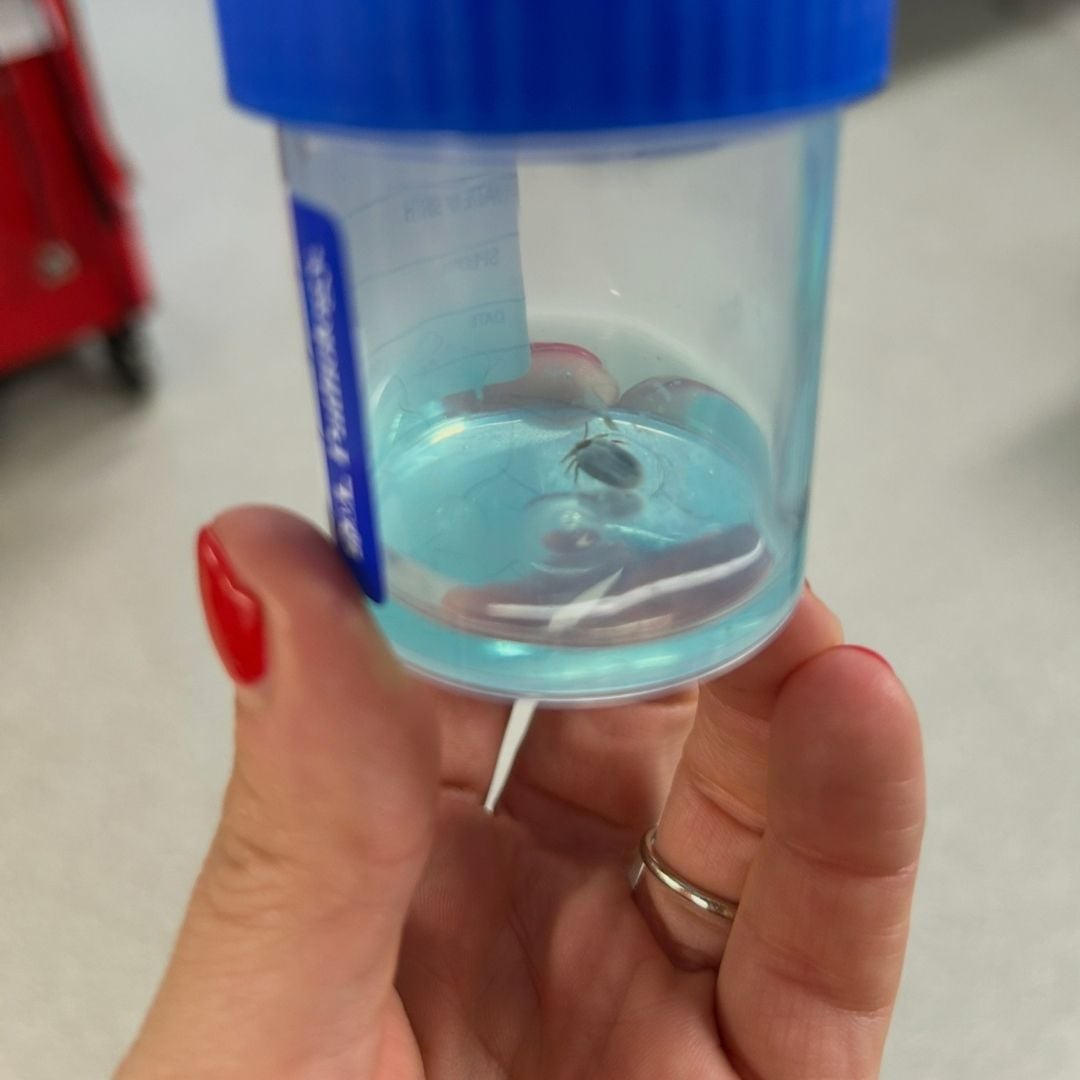
What should you do if you find a tick on your pet? If you find and remove a tick, it is still important to seek veterinary advice.
Some symptoms can develop three to five days after a tick attaches, so your pet should be monitored closely - even after the tick has been removed.
If your pet develops any of the above signs of tick paralysis or you are concerned about their condition, our emergency department is here to help.
Our veterinary emergency team is available to assess your pet and provide the urgent care they need.
Prevention, daily checks and knowing the signs of tick paralysis can make all the difference in your pet's recovery.
| Tags:Diagnostic TestingEarEmergency/Critical CareEndocrinologyInfectious DiseasesInternal MedicineMedicationMost PopularNewsPatient Care |