&geometry(278x56) "Veterinary Specialist Services Pty Ltd.")
Toxic Plants and Our Pets
 "Toxic Plants and Our Pets")
Toxic Plants and Our Pets: What Every Pet Owner Should Know
Unfortunately, we have recently seen several emergency cases of plant toxicity in animals presenting to our Veterinary Specialist Services clinics. Some of these cases can be very serious, and in certain circumstances, early treatment can make a significant difference to the outcome.
Plants are everywhere - inside our homes, in our gardens, on walks and in our neighbourhoods. While many plants are harmless, others can cause anything from mild stomach upset to severe organ damage, neurological signs or even death.
Plants to be Particularly Cautious Of
Lilies - Especially Dangerous for Cats
True lilies (Lilium) and daylilies (Hemerocallis) are extremely dangerous to cats. ALL parts can be toxic, including:
- Flowers
- Leaves
- Stems
- Pollen
- Even water from a vase containing lilies.
Cats can develop severe kidney injury following exposure - although they may initially appear completely normal.
DO NOT WAIT for symptoms to develop.
ANY suspected lily exposure in a cat should be treated as an emergency.
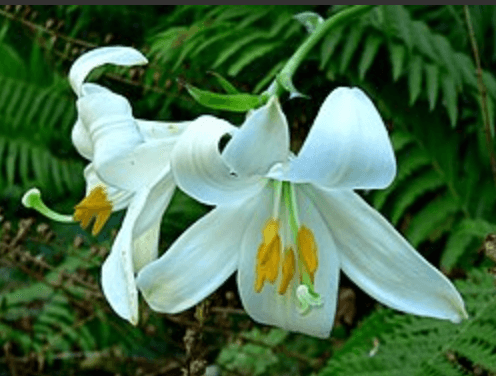
Lillies are toxic to cats.
Cycads / Sago Palms
Cycads (Cycas species) are common ornamental plants and can be particularly dangerous when pets chew on or ingest the plant, seeds or fruits.
Possible signs of toxicity include:
- Vomiting
- Diarrhoea
- Abdominal pain
- Weakness
- Tremors or neurological signs
- Liver damage.
Severe poisoning can be fatal. Suspected ingestion requires urgent veterinary assessment, even if your pet initially appears well.
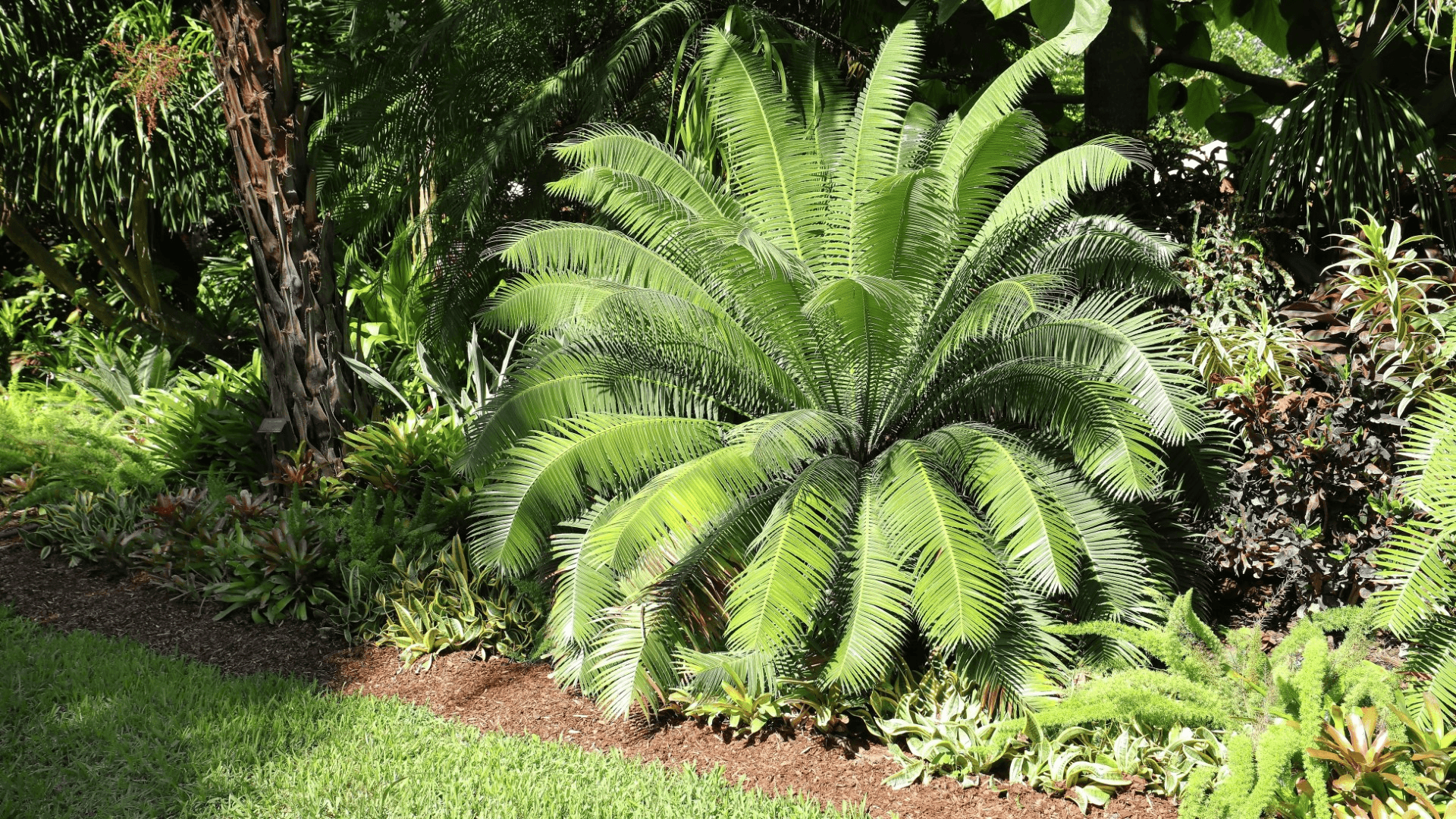
Cycads are dangerous for pets to chew or ingest.
Dumb Cane, Philodendron, Pothos and Similar Indoor Plants
Plants such as Dieffenbachia (Dumb Cane), Philodendron, Pothos/Devil's Ivy, Peace Lily, Monstera and Alocasia/Elephant Ear can contain irritating calcium oxalate crystals.
Chewing these plants can cause:
- Sudden drooling
- Pawing at the mouth
- Pain or irritation of the mouth
- Swelling of the lips, tongue or face
- Difficulty swallowing
- Vomiting.
In more significant exposures, swelling of the airways can cause difficulty breathing.
If your pet is having difficulty breathing or has significant facial/mouth swelling, seek emergency veterinary care immediately.
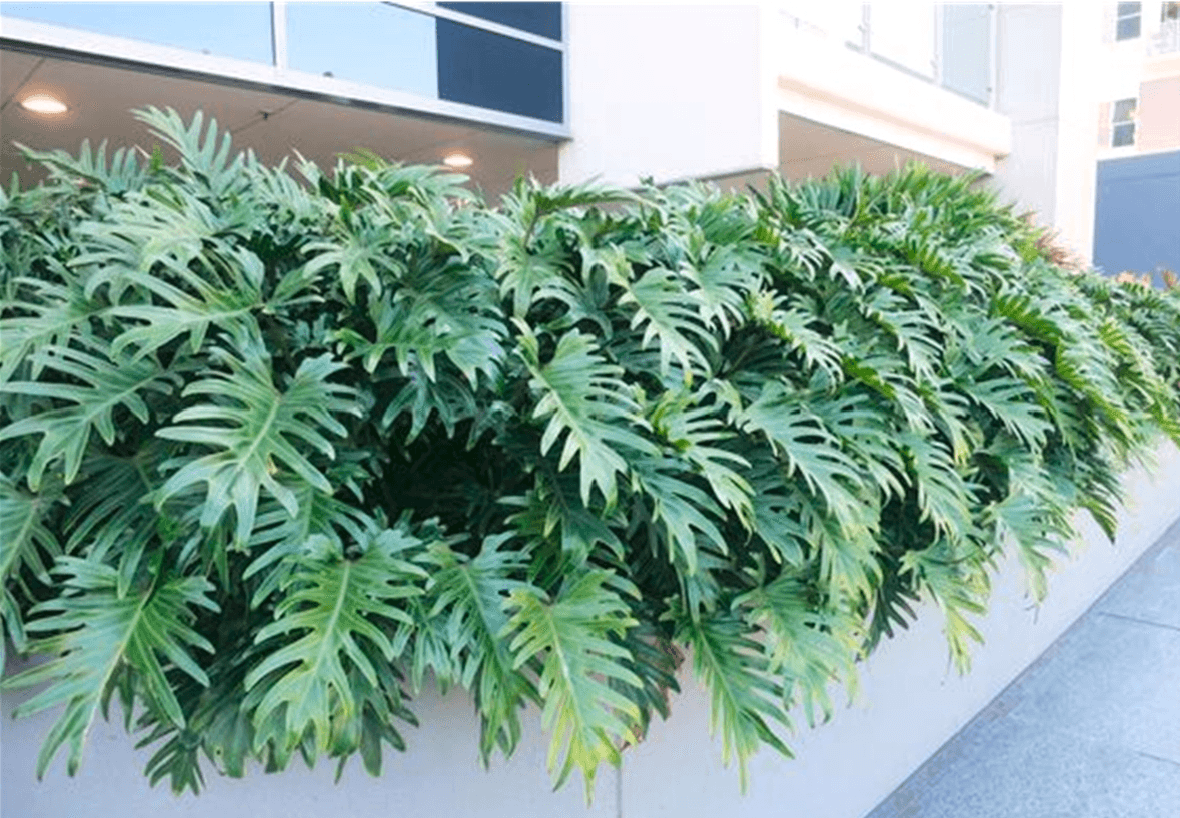
Philodendrons can cause irritation to pets.
Other Plants to be Aware Of
Queensland's Poisons Information Centre lists a number of other potentially toxic plants including:
Azaleas
Foxglove
Daffodils and other bulbs
Duranta
Brugmansia / Angel's Trumpet
Castor bean
Jatropha
Cestrum
Glory Lily
Yesterday, Today and Tomorrow
Taro / Elephant Ear
Caladium
Hydrangea
Winter Cherry
Rhubarb leaves
Poinsettia
Allamanda.
What signs should I look for?
Plant poisoning doesn't always look the same. Keep an eye out for:
Excessive drooling
Vomiting or diarrhoea
Loss of appetite
Lethargy or weakness
Abdominal pain
Tremors or seizures
Unusual behaviour or agitation
Difficulty walking or coordination problems
Excessive thirst or changes in urination
Swelling of the mouth, tongue or face
Difficulty swallowing
Difficulty breathing
Collapse.
Importantly, some dangerous toxins can cause significant internal damage before obvious symptoms appear. This is particularly important with lily exposure in cats and some other highly toxic plants.
When Should I go to the Vet?
If you know or suspect that your pet has eaten a potentially toxic plant, please contact your family veterinarian as soon as possible or head straight to your nearest Veterinary Specialist Services hospital - don't wait for symptoms.
Go straight to your nearest emergency veterinary clinic or Veterinary Specialist Services hospital if your pet is:
Having difficulty breathing
Collapsing
Having seizures or severe tremors
Extremely weak or unresponsive
Developing significant facial or airway swelling
Showing severe or rapidly worsening symptoms.
For suspected lily exposure in a cat, cycad ingestion, oleander ingestion or any other potentially serious poisoning, seek veterinary advice immediately - even if your pet looks completely normal.
Prevention is the Best Treatment
Before bringing a new plant into your home or garden, check whether it is safe for your pets. Remember that plant exposure doesn't only happen at home.
Pets can encounter toxic plants:
In the garden
On walks
In parks
In bouquets and floral arrangements
From indoor pot plants
While visiting friends or family.
Important Things to Remember
If your pet has eaten a plant and you're unsure whether it is toxic, take a photograph or a sample of the plant (without putting yourself at risk) so that it can be identified.
The Animal Poisons Helpline is also available to Australian pet owners on 1300 869 738 for advice about potential poisoning.
Please don't induce vomiting or give your pet anything at home unless specifically instructed to do so by a veterinary professional or poison service.
If you're unsure whether a plant around your home is safe for your pet, ask your veterinary team before bringing it into their environment.
A little awareness can prevent a very serious - and sometimes heartbreaking - situation. Please share this post with any other pet owners you know.
| Tags:Emergency/Critical CareFelineGastrointestinalInternal MedicineMedicationMost PopularNewsPatient Care |